
What Is Meta Andromeda and 7 Strategies to Help Your eCommerce Get the Most Out of It
 By Juan Cruz Giusto ·
With the launch of Meta Andromeda, the rules of the game in eCommerce have changed.
And if you’re still running the 2024 playbook, you’re falling behind.
In this guide, I’ll walk you through:
- What Meta Andromeda is
- What has changed and what stays the same
- And finally, what you and your eCommerce can do to get the most out of this algorithm change.
Let’s get into it!
What Is Andromeda: Meta Ads’ New Algorithm
Andromeda is a new Meta Ads algorithm that was introduced at the end of 2024 and was fully rolled out in October 2025.
And here’s what few people know: Andromeda is just 1 of the 4 new tools they’ve launched:
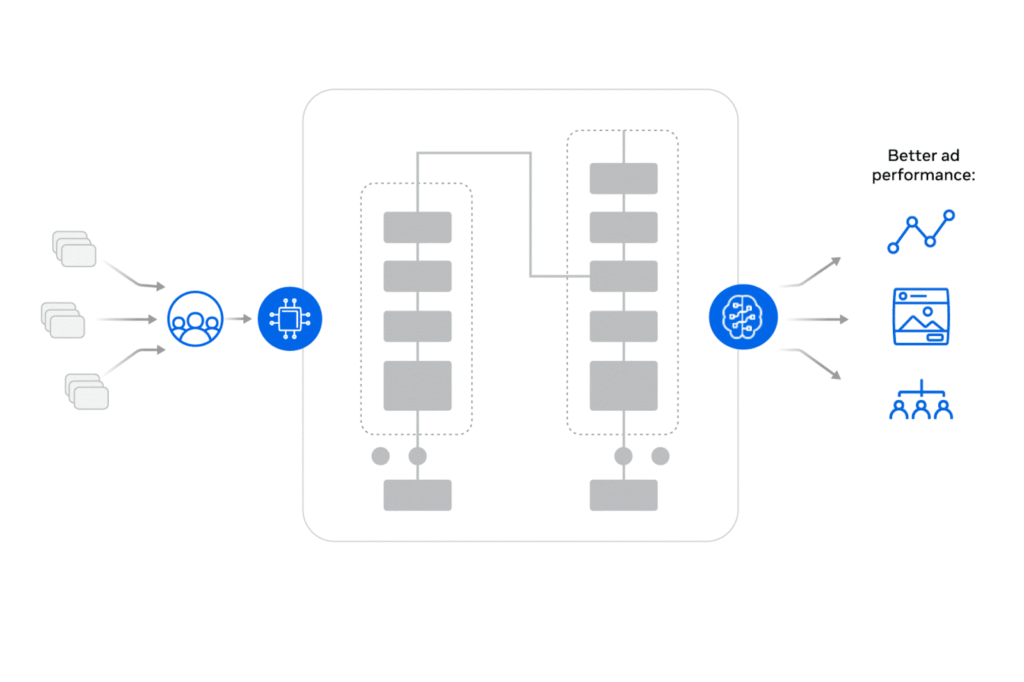
1. Meta GEM: The Brain
The name stands for Generative Ads Recommendation Model, and it’s a model that lets the algorithm process millions of creatives in very little time, so it can show users personalized, relevant ads.
2. Meta Lattice: The Library
It’s a new architecture for ranking ads, and it lets Meta learn across multiple campaigns and ad sets. Before, learning was limited to a single ad set.
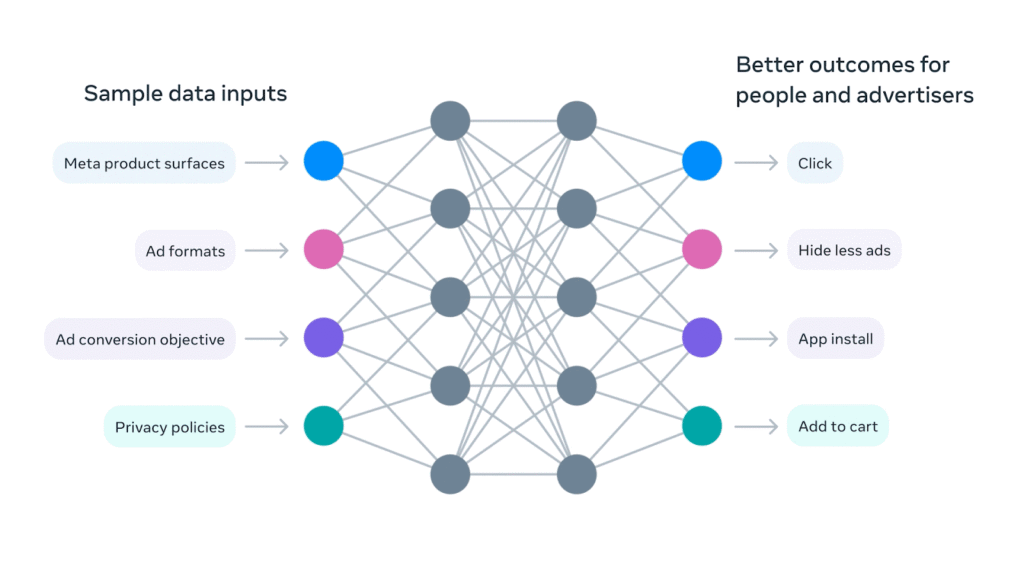
3. Meta Andromeda: The Worker
This is the model in charge of finding the perfect ad for each user among the tens of millions that exist. And it does it by weighing hundreds of variables, like location, day, which ads the user has seen before, their behavior on and off Meta, etc.
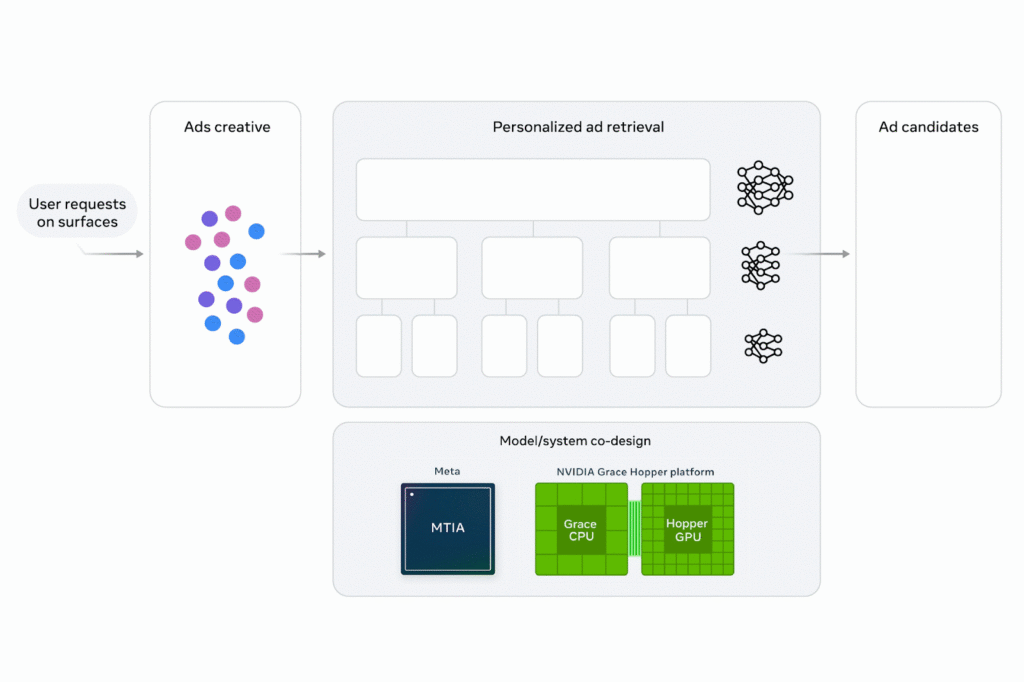
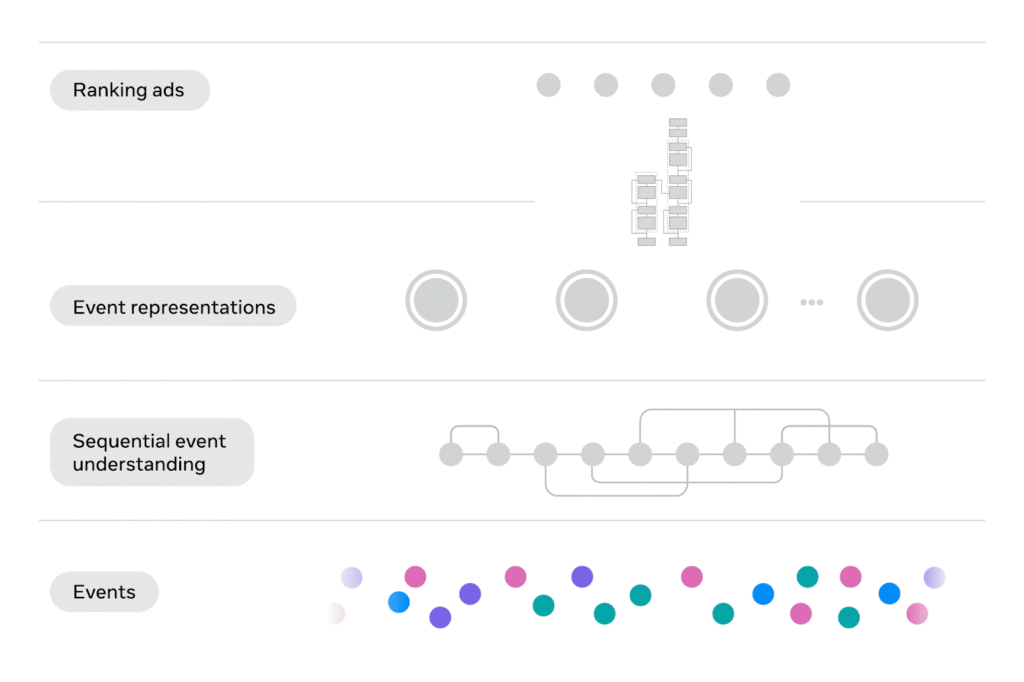
4. Sequence Learning: The Memory
Finally, Sequence Learning is an AI model that lets Meta consider the actions a person takes before and after seeing your ad, so it can serve the right creative.
One example they give on their blog: if someone books a hotel for a ski trip, the next ads they see will be for ski rentals.
And you might be wondering why such an abrupt algorithm change.
The reason is simple: AI-generated creatives.
Before, a team could create a few dozen new images and videos a month, but with AI, the rules of the game have changed.
Now, teams can generate dozens or even hundreds of new creatives in a few weeks. And on top of that, add all the variations Meta creates with the help of its own AI.
The problem is that Meta’s old algorithm couldn’t handle and analyze this new volume, so Andromeda is here to solve that problem.
And now that we’ve covered the theory, let’s look at the 7 ways your eCommerce can take advantage of this fundamental shift in Meta Ads.
7+1 Strategies to Get the Most Out of Andromeda
1. Creative Volume
Before, Meta couldn’t process more than 5 to 10 creatives per ad set, but that reality has changed.
With Andromeda, the algorithm can efficiently process and analyze up to 50 creatives per ad set.
So if you want to win in this new landscape, you have to exponentially increase the number of creatives you produce.
If you used to make 5 a week, you need to find a way to make 20 or 50.
And if you don’t think that’s possible, look at the Ads Library of the eCommerce brands that are really making a difference:
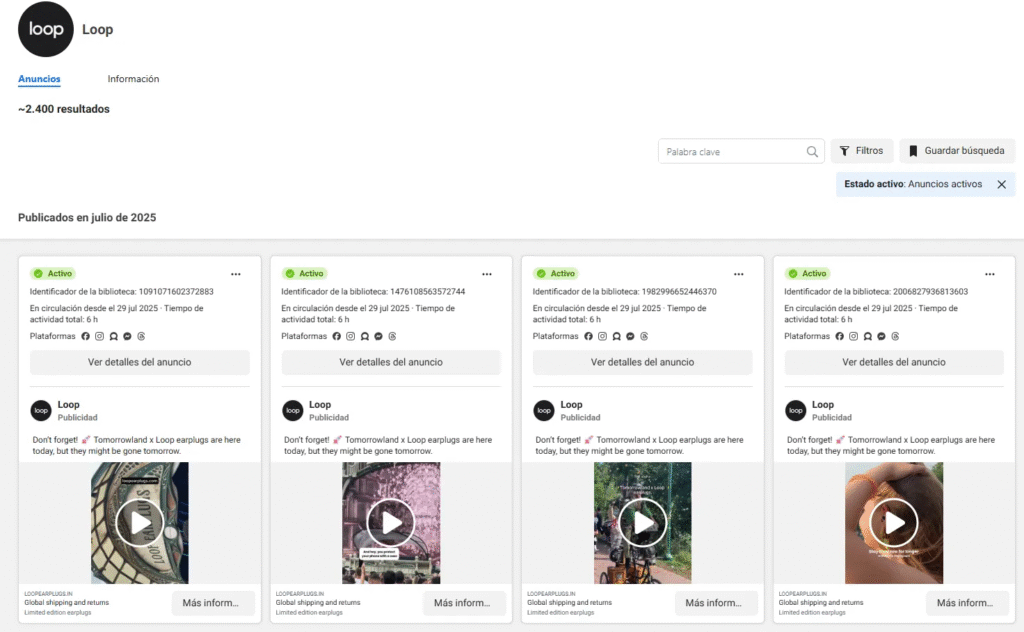
Some of these companies have up to 1,000 ads running. And I’ve read from reliable sources that they produce more than 200 different creatives a month.
The number of creatives you produce is directly proportional to the success of your eCommerce. In other words, it’s the fuel that makes your business grow.
But “volume” isn’t the only thing you need…
2. Creative Diversity
When Meta talks about creative volume, it doesn’t mean taking the same image and spinning out iterations by changing the background color or the text.
That’s not volume, and Meta knows it perfectly well.
With its machine learning model that processes image, video, text, and sound, it can detect when a creative is genuinely different or just an iteration of one that already exists.
And if it detects an iteration, it’ll treat it as the same creative and reduce its impact.
That’s why it’s not just volume that matters, but also the diversity of your ads.
Here’s what Meta says:
(…) with the rise of AI, the focus has shifted to creative diversification as the best way to find the most relevant audiences. By uploading multiple creative pieces with different themes and messages, businesses can leverage Meta’s artificial intelligence to test and optimize their ads at scale.
That’s why to unlock new levels of spend and growth on Meta, you have to produce different creatives at every level:
- By awareness level
- By format and placement
- By buyer persona
- By angle
- By product
- etc.
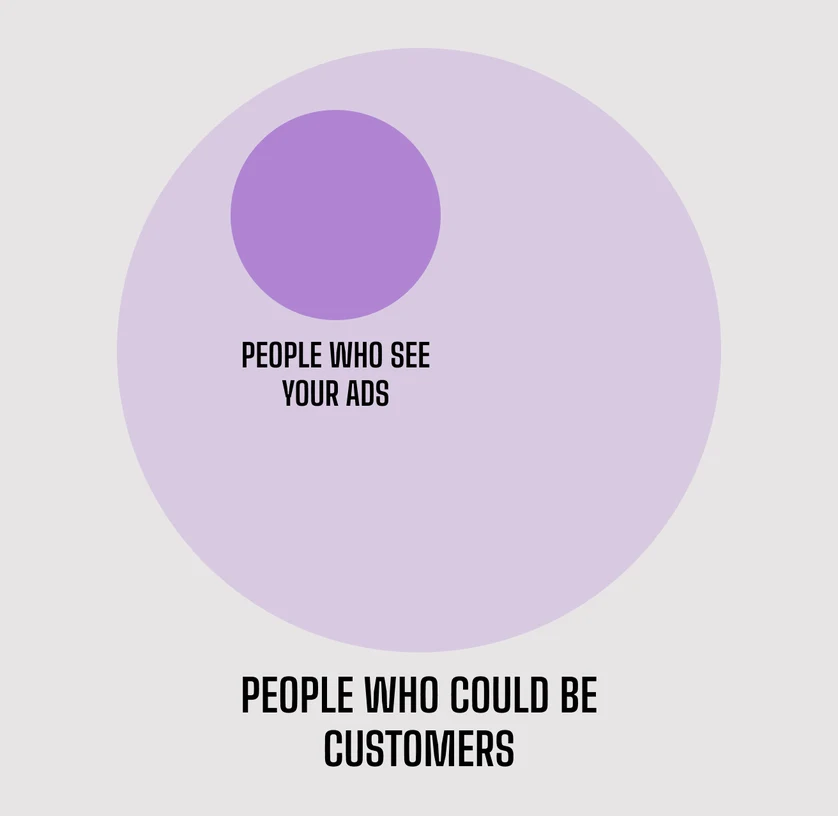
The more variety you have, the bigger your potential market gets, and the more you can scale without losing efficiency.
Ideally, you should build a framework to systematically test which combinations work and which don’t (and yes, we can give you a hand with that).
3. Broad Targeting
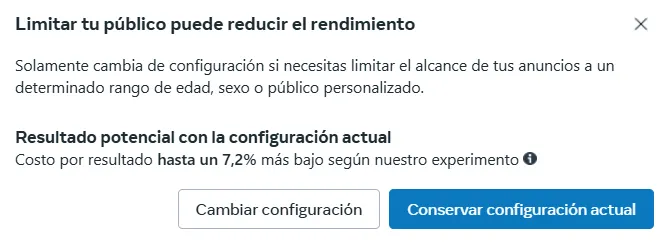
With Andromeda, Meta has exponentially increased its ability to process user data and your creatives.
If you keep targeting by interests and lookalikes, all you’re doing is throwing a wrench in the algorithm’s gears.
Your best move is to keep the audience as broad as possible, setting only gender, age, and location.
Meta will take care of finding the group of people who respond best to your creatives, based on the objectives you’ve set.
In other words, the creative is what does the targeting, not your manual setup.
If, for example, you want to reach people who’ve already added your product to their cart, create an ad that talks about discounts or speaks to people who are close to buying.
If you want to reach new audiences, don’t talk about the product. Talk about a specific problem.
That way you’ll save money and get the most out of the algorithm.
4. Consolidating Campaigns and Ad Sets
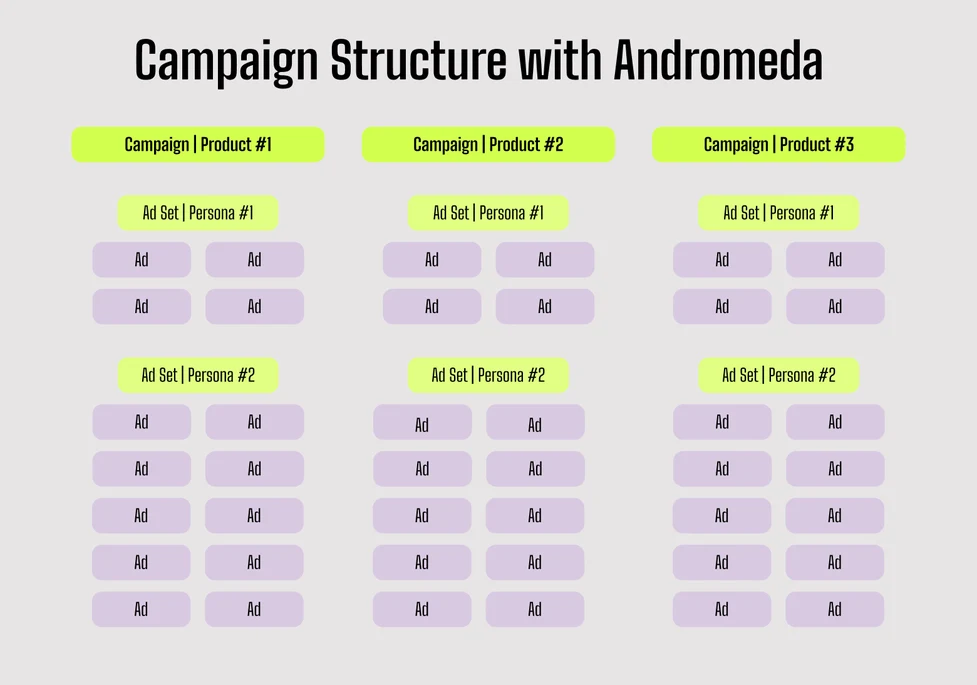
Before, Meta could only analyze 5 creatives per ad set at most, but with Andromeda, that’s changed.
On its blog, Meta recommends creating at least 20 different creatives per ad set, up to a maximum of 50.
Again, to work at its best, the algorithm needs volume and diversity.
Only split campaigns when you have to, for reasons of cost per result and products.
If your ads talk about the same product and target the same person, they belong in the same ad set.
It’s the best way to get the most out of the algorithm and cut down the time you spend in the learning phase.
5. AI Creatives
Meta has said it over and over: you need to start using its AI in your ads:
On average, ad campaigns that use our image generation feature within Advantage+ creative see an 11% higher click-through rate and a 7.6% higher conversion rate compared to campaigns that don’t use these features.
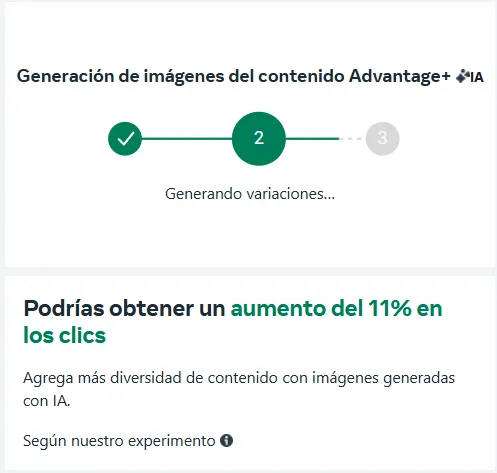
Yes, it’s true that sometimes it adds weird music.
It adds elements your creative team never designed.
It changes background colors.
And very soon it’ll generate images from just a single photo of your product.
It might look a bit strange and off-“brand.”
But Meta says it performs better and lowers acquisition costs.
And if we think about it logically, they have no reason to lie to us.
Get your creative team and brand directors on board. It’s a single click of effort that can unlock thousands of euros in extra revenue.
6. Post-Click Experience
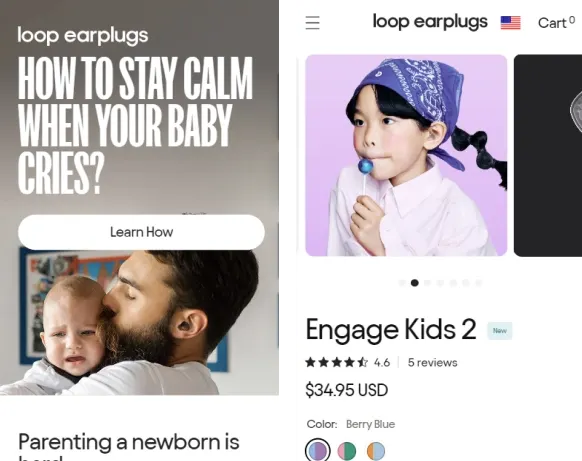
With Sequence Learning, Meta can factor in what happens on your website when ranking your ads.
That’s why it’s more important than ever to focus on and improve:
- Landing page
- The overall purchase process
- Your users’ post-purchase experience
Without an optimized, relevant flow from the ad all the way to the thank-you page, your ads will stop working at some point, because Meta will take that bad experience into account.
Invest in CRO and customer service to make sure you’re delivering the best possible experience.
7. Less Manual Intervention
Tell me if this sounds familiar:
You launch a new ad set with a cost-per-result goal of 20 euros and 7-day click attribution. Two days later you check and see your CPA is 50. So you immediately cut the campaign budget and lower the cost-per-result goals.
Or here’s another example: You turn off a creative that has spent a lot but has a very low ROAS.
It doesn’t look like it, but acting this way is a very common mistake among most Media Buyers, and it goes against Andromeda and what Meta recommends.
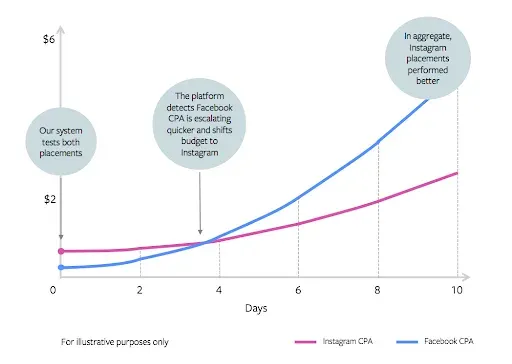
We have to learn to trust the algorithm, let it optimize, and not act too early.
If you use bid controls or cost-per-result goals, Meta spends money on an ad because it believes it can hit the ROAS or CPA target.
Remember, Meta has millions of data points that help it determine whether a creative will perform well now and in the future. You don’t. Don’t assume your judgment beats the algorithm when it comes to making decisions.
Plus, good past performance doesn’t guarantee the same performance in the future, especially with large budgets (read The Breakdown Effect by Meta).
And most of the time, it’s better to let Andromeda optimize on its own while we focus on strategy.
8. Data Quality
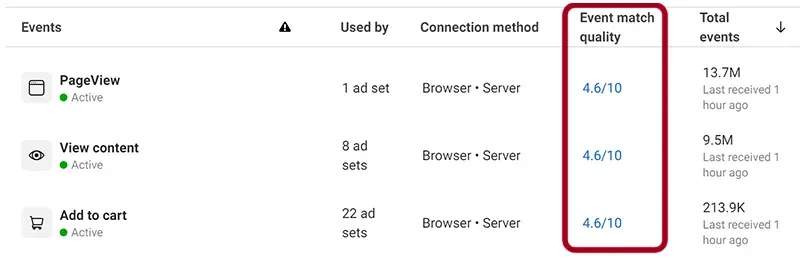
None of what we’ve covered will really work if you’re not tracking your data correctly.
At the end of the day, Andromeda is an AI and machine learning algorithm that uses data as fuel to optimize its results, and if that data isn’t reliable, your ad performance will suffer.
That’s why it’s critical to use CAPI and server-side tracking, either natively through Shopify or with Elevar if you have the budget.
And make sure your Event Match Quality Score on your most important events (like “View Content”, “Add to Cart”, “Checkout”, and “Purchase”) is above 8.
Otherwise, you run the risk of the algorithm optimizing on data that isn’t actually real.
And there you have it: 7 tactics and strategies to get the most out of Andromeda.
But you also need to be careful to separate the tactics that change from the business principles that don’t, which, at the end of the day, are what make your eCommerce work and scale.
What Doesn’t Change with the Introduction of Andromeda
Cost Controls (or Bid Caps)
No matter how new the algorithm is, your business has to protect its profitability.
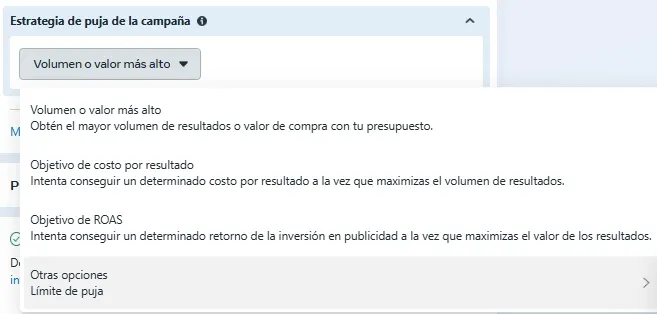
And the go-to tool we have in Meta Ads for doing that is cost controls, or bid caps.
For those who don’t know this tool, it’s how we tell Meta not to spend if it thinks it won’t hit a certain CPA or ROAS.
If you don’t set them, Meta optimizes for conversion volume at the lowest possible cost, which often ends up being more than you’re willing to pay.
This setting protects your Marginal Contribution, and you only spend money if Meta is (almost) sure it can hit your targets.
If you want to dig deeper into this, I recommend reading the post From Losses to Profits: How to Turn Meta Into Your Profitability Machine
Excluding Recent Buyers
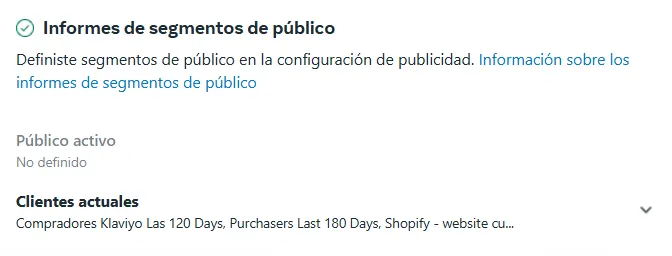
Although Meta recommends trusting its new Advantage Plus campaigns and default suggested audiences 100%, I think that’s a mistake.
If you want your Meta efforts to be as incremental as possible, you absolutely have to exclude recent buyers from your prospecting campaigns.
If you don’t, Meta, in its eagerness to get the cheapest sales possible, will target them first.
In other words, you’ll be spending money on people who would have bought from you anyway or who you could have acquired for free through email, SMS, or social media.
Your Meta campaigns will probably show “worse results” in Ads Manager, but in reality they’ll be generating incremental sales that wouldn’t have happened otherwise.
Incrementality Tests
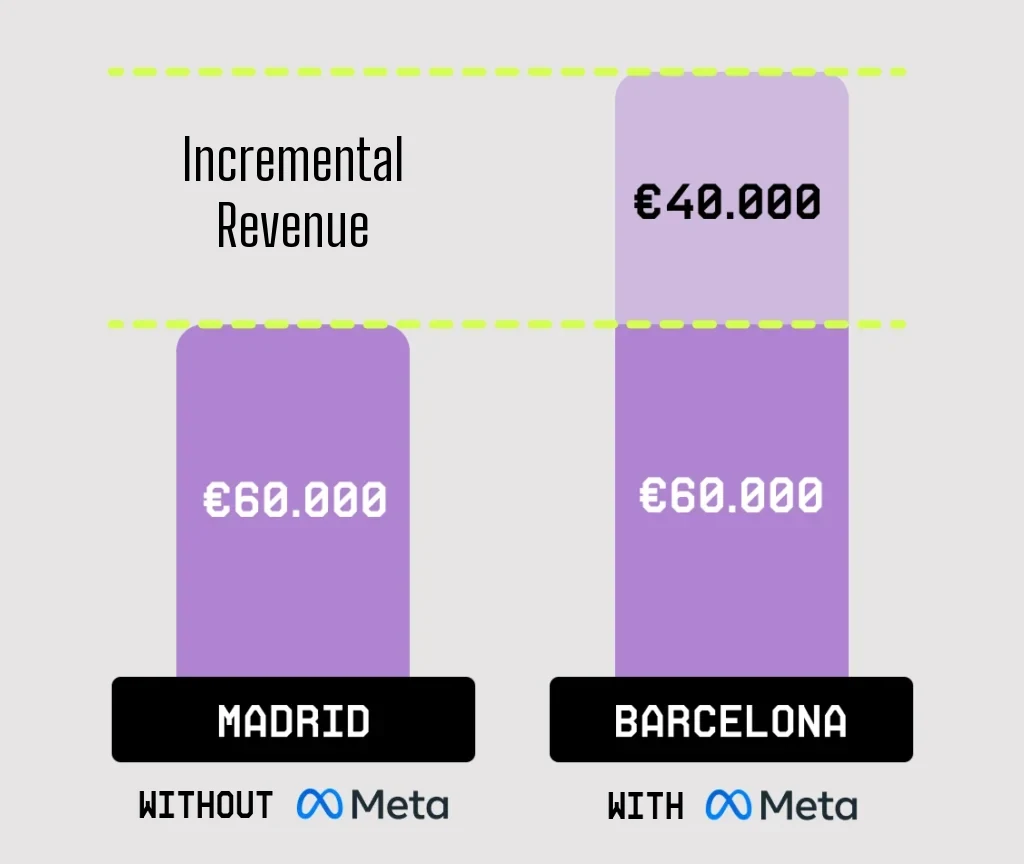
Meta will never be able to know the true impact of your marketing campaigns.
That’s why, if you’re spending more than 30,000 euros a month on advertising, you need to run incrementality tests.
So, step one: talk to your Meta rep to see if you can run them together.
If you don’t have enough spend, my recommendation is to set your attribution model to 7-Day Click. It’s usually the perfect balance between conversion volume and the accuracy of reported results.
If you want to read more on the topic, I recommend my post Incrementality Testing: How to Uncover the Real Impact of Your Campaigns
Think Outside Your Ad Account
Finally, I want you to think outside your Meta ad account.
The real growth lever isn’t in Meta.
What will scale your eCommerce 2x, 5x, or 10x lives outside of it.
I’m talking about:
- Developing new products
- International expansion
- Telling stories that really connect with people
- Building a strategy that makes you defensible against your competition
- Building realistic forecasts that bring your team along
- etc.
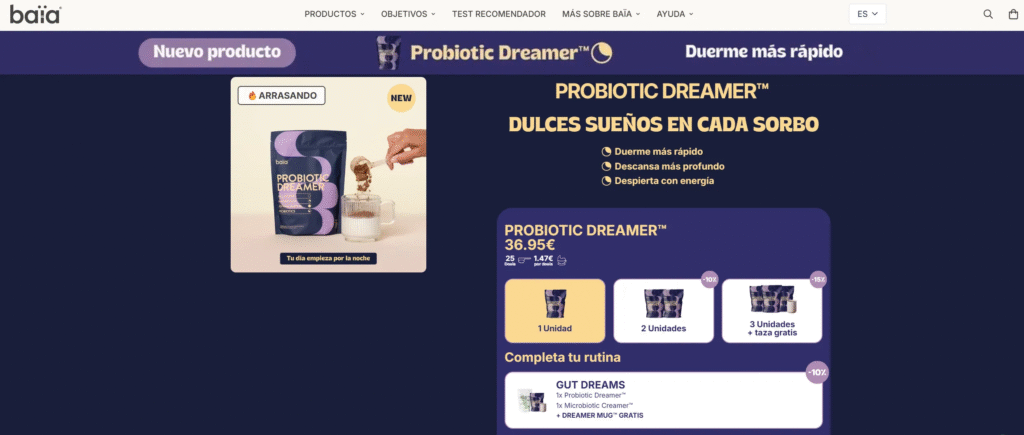
Of course advertising will be part of this strategy, but it’s complementary, not the main focus.
So if you need help not just with Meta Ads, but also with building a Marketing strategy for your eCommerce with a financial and experimentation-driven approach, let’s talk.
At ASTEROI we help eCommerce brands doing more than 1M in revenue scale profitably with a holistic view of the business, from strategy and experimentation to finance.
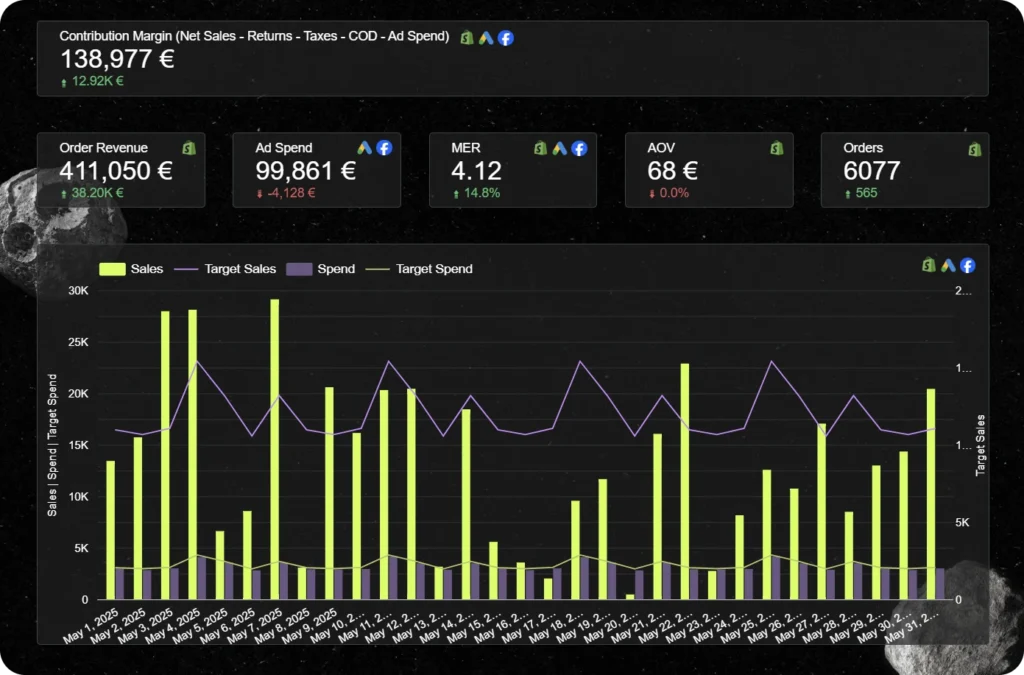
Because at the end of the day, Ads Manager is just one tool in your arsenal, and real growth happens outside of it.
The next step?
We’d be glad to look at your specific situation and build a sustainable growth plan.